


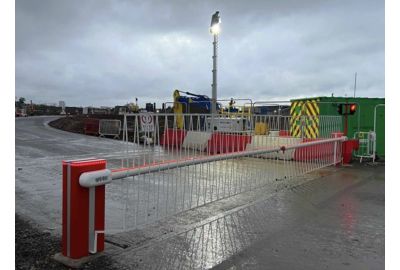
A car park barrier needs ongoing care to remain safe and reliable. This guide explains the visual checks facilities teams can make, warning signs that need attention and when to arrange professional servicing or repair. It also covers preparing for winter and considering servicing, warranty and installation support when buying a barrier.
What this car park barrier maintenance checklist covers
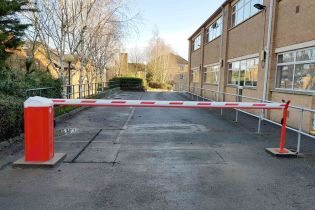
This guide focuses on automatic rising-arm barriers at car parks, workplaces and controlled vehicle entrances. Manual barriers and height restrictors have different maintenance requirements.
Start by identifying the manufacturer, model and operating instructions for your installed system. These explain the required maintenance and which checks trained site staff can undertake.
Keep the service history, fault-reporting procedure and engineer’s contact details accessible to those managing the entrance. If you need support, Barriers Direct offers servicing and can discuss repair requirements for your barrier.
Routine checks between professional services
Set inspection intervals using the manufacturer’s instructions, site assessment and operating conditions. From a safe position, look for:
|
Area |
What to check |
|
Barrier arm |
Visible damage, bending, loose attachments or a change in its usual position |
|
Housing and base |
Impact marks, loose panels, visible movement, corrosion or signs of water ingress |
|
Detection equipment |
Visible damage, dirt or objects obstructing equipment that should remain clear |
|
Accessible cabling |
Visible damage or damaged protective coverings |
|
Operating area |
Debris, standing water, ice or obstructions affecting movement and visibility |
|
Access controls |
Damage or inconsistent responses reported by authorised users |
|
Normal operation |
Unusual noises, uneven movement, repeated faults or unexpected behaviour |
Record defects and report them promptly. Do not open electrical enclosures, adjust the mechanism, realign sensors or tighten structural fixings as part of a general visual inspection.
Cleaning and functional checks should follow the documented procedure and be undertaken by someone trained and competent for the task. Never use a person or vehicle as an improvised test obstruction.
These checks support professional servicing; they do not replace it. Ask Barriers Direct about servicing arrangements appropriate to your model, usage and site.
Warning signs that need professional attention
Changes in normal operation are worth investigating. Report:
-
Slower, uneven or incomplete arm movement.
-
Grinding, clicking or other unfamiliar noises.
-
Repeated fault messages or inconsistent responses to access controls.
-
Damage following a vehicle strike or severe weather.
-
Unexpected movement or failure of the installed protective devices.
These symptoms can have several causes. Record the manufacturer, model, fault code and when the problem occurs. Include any recent impact, power interruption or change to the system.
If damage or unexpected behaviour could endanger someone, stop use and follow the site’s documented shutdown and access-management procedure. Arrange assessment by a competent engineer before returning the system to service.
Do not bypass protective devices or repeatedly reset a faulty barrier to keep it operating. Contact Barriers Direct with the details so we can discuss the servicing or repair support required.
Preparing your car park barrier for winter
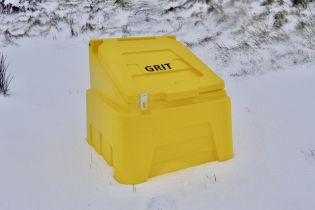
Check the manufacturer’s maintenance requirements and environmental limits before winter. Review the barrier’s condition, drainage and arrangements for managing access during snow, ice or a breakdown. For gritting and snow clearance around entrances and car parks, see our guide to winter site safety: gritting, grit bins and snow clearance.
-
Keep accessible drainage routes clear through normal site-maintenance arrangements.
-
Report damage to housings, cable protection or visible signs of water ingress.
-
Keep snow, debris and stored items away from the barrier’s movement area.
-
Arrange any required checks of seals, protective devices and operating equipment with a competent engineer.
-
Confirm that authorised staff understand the documented power-failure and manual-release procedures.
-
Plan how access will be managed if the barrier cannot be used safely.
Lubrication must follow the instructions for the exact model. Do not apply a general-purpose grease, seal openings or modify equipment without appropriate advice.
If servicing is due, booking it ahead of winter gives you an opportunity to address identified faults and discuss any recurring problems with the engineer.
During maintenance, suitable traffic cones and warning lights can support traffic arrangements. They do not replace equipment isolation or appropriate restrictions around the work area.
What can your facilities team do—and when should you book an engineer?
The manufacturer’s instructions and staff training determine which tasks can be handled on site. These may include recording faults, reporting damage and approved cleaning or housekeeping.
Before attempting repairs or modifications, check the warranty terms and contact the supplier if you are unsure. Unauthorised work or unapproved replacement parts may affect cover, depending on the terms.
Mechanical adjustments, electrical work, detection-system changes and damaged-component repairs require appropriate competence. Barrier mechanisms may contain stored energy, including balancing springs, so switching off the power does not automatically make every task safe.
If the arm needs replacing, confirm compatibility with the exact barrier model and configuration. Changes to its length, weight or attachments may require adjustment and testing before use.
When requesting support, send:
-
The manufacturer and model.
-
A description of the fault and any displayed code.
-
Photographs taken from a safe position.
-
Details of any impact or recent changes.
-
The service history and warranty details, if available.
This helps us understand the issue and discuss the appropriate servicing, repair or replacement route.
Plan servicing and warranty support from the start
Include ongoing maintenance in your barrier budget, alongside the purchase and installation. Follow the manufacturer’s servicing requirements, taking account of operating frequency, site conditions and previous faults.
Barriers Direct offers servicing and strongly recommends considering the available warranty options when purchasing a barrier. Servicing helps maintain the system’s condition and identify issues; warranty provides cover subject to the selected terms. Ask what is included, which exclusions apply and whether servicing or record-keeping conditions must be met.
Keep service reports, repairs and warranty documents together so they are available when support is needed.
Replacing a barrier or planning a new installation?
If your existing barrier no longer meets the site’s needs, compare replacement options against the opening width, daily traffic, peak operating frequency and access controls—not simply the dimensions of the old arm.
Browse our automatic arm barriers, or send us photographs and operating requirements for help comparing options. We also offer installation on selected products. Ask about installation, servicing and warranty options together so you understand the support available before ordering.
Frequently asked questions
How often should a car park barrier be serviced?
Follow the manufacturer’s schedule and the requirements identified for your installation. Usage, operating cycles, environment and condition can affect the servicing needed. Ask Barriers Direct about an appropriate servicing arrangement.
Can facilities staff repair an automatic barrier?
Only undertake tasks permitted by the manufacturer’s instructions and within staff training and competence. Technical faults, mechanical adjustments and safety-system repairs need appropriate specialist attention.
Should I buy additional warranty cover with my barrier?
Barriers Direct strongly recommends reviewing the available warranty options when buying a barrier. Check what cover is already included and what any additional option provides, including its duration, exclusions and servicing conditions. Warranty cover does not replace routine maintenance or professional servicing.