


A wet entrance floor and a curled mat can both cause a fall, but they need different fixes. Rain and slush reduce grip, while raised edges, trailing cables and stock left in walkways can catch someone’s foot. This guide explains how to spot the difference, deal with the cause and choose practical controls for busy workplaces.
Where winter slip and trip risks increase
Start at the entrances people use most. Wet footwear, trolley wheels and deliveries can carry water and mud beyond the doorway, especially when the entrance mat is already saturated. Check where the floor stays wet during a busy shift and whether water is getting in from somewhere else, such as a leaking canopy or a poorly draining threshold.
Then walk the routes between work areas, including stairs, yards and paths between buildings. Check them at the times staff actually use them: a defect that’s obvious in daylight can be hard to see on an early shift. Look for shaded steps and paths that may remain icy after other areas have cleared.
This guide focuses on everyday slip and trip prevention. For outdoor treatment, read our companion guide, Winter site safety: gritting, grit bins and snow clearance for businesses.
Common slip and trip hazards at work
|
What you find |
Main risk |
What to do first |
|
Water, slush or mud on the floor |
Slipping |
Remove the contamination and check how it’s getting onto the floor. |
|
A curled, loose or moving mat |
Tripping |
Refit or replace it and check that the edges lie flat. |
|
Ice on a path, step or ramp |
Slipping |
Inspect and treat the route. Restrict access or direct people elsewhere if it remains unsafe. |
|
Trailing leads or stock in a walkway |
Tripping |
Reroute cables and remove items obstructing the route. |
|
Broken paving, damaged flooring or worn step edges |
Tripping or losing footing |
Arrange a repair and manage access while the defect remains. |
|
Poor lighting |
Makes hazards harder to spot |
Check lighting during normal working hours and address dark spots. |
How employers can reduce slips and trips in winter
Use your risk assessment to identify where slips and trips could occur, then agree who will deal with them. Start with measures that remove the cause, such as clearing stock from walkways, rerouting leads, repairing surfaces or stopping water from reaching the floor. See HSE’s guidance on slips and trips for more practical advice.
-
Set a cleaning routine that fits the site. A check at the start of the day may not be enough if water and mud build up during deliveries or shift changes.
-
Keep walkways and escape routes clear. Give stock, tools and equipment a designated place so busy periods don’t turn circulation routes into storage space.
-
Inspect outdoor routes when conditions change. Check exposed steps, ramps and paths when frost, ice or snow is forecast, and recheck them when treatment or weather conditions change.
-
Manage access while hazards are being dealt with. Use temporary warnings where people need to know about a hazard. If they need to stay out of the area, restrict access and identify an alternative route where practicable.
-
Make reporting simple. Tell staff who to notify about spills, damaged flooring or failed lighting, and make sure someone follows up.
Choosing matting, cable protectors and temporary barriers
Entrance matting for water and mud
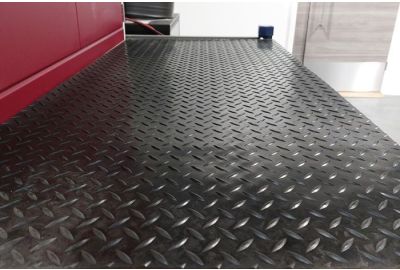
If the floor is repeatedly wet beyond the entrance mat, check how people enter, where they step off the mat and how often it needs cleaning or changing. When comparing workplace matting, look for a product suited to the floor and traffic. Check that it lies flat, stays in place and leaves room for doors, trolleys and mobility aids to pass.
Cable protectors for unavoidable crossings
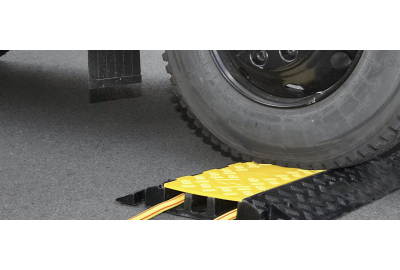
Move temporary power leads away from walkways where possible. If a cable has to cross a route, choose a protector that fits the cables and suits the people, trolleys or vehicles using the crossing. Check the profile and stability as well as the channel size. Our guide to cable protectors and cable ramps explains how to compare load ratings and channel sizes.
Temporary barriers for wet floors or repairs
Deal with the spill or defect first. Where people need to stay out of an area during cleaning or repair, suitable temporary barriers can help mark the restriction. Make the alternative route clear and position barriers so they don’t become obstructions themselves. Remove temporary warnings when the hazard has passed.
Stair edges, thresholds and changes in level
Repair damaged surfaces and improve lighting before adding markings or grip products. If a step or ramp still needs more grip or contrast, check whether a suitable nosing or anti-slip surface treatment can be fitted without creating a raised edge. Check that the product is suitable for the surface and for indoor or outdoor use as applicable.
Make winter checks part of the working day
Agree who checks entrances, stairs and walkways before people arrive and who rechecks them after a change in weather or site activity. Record what was found, what was done and whether a repair or further check is needed. If the same patch keeps getting wet, investigate where the water is coming from so the team isn’t dealing with the same problem every shift.
If you’re choosing matting, cable protectors or temporary barriers, send Barriers Direct a photo of the area, its approximate dimensions and details of who uses the route. Include any trolleys or vehicles that pass through, so we can help you compare options that suit the space.
Frequently asked questions
What’s the difference between a slip and a trip?
A slip happens when you lose grip on a surface, such as a wet floor or icy path. A trip happens when your foot catches on something, such as a cable, raised mat edge or uneven threshold. Both can cause a fall, but the fix depends on what caused it.
How can I reduce slips at a busy workplace entrance?
Check where water is getting onto the floor, how much the mat collects and whether it stays flat and secure. Remove water and mud promptly, and recheck the entrance during busy periods or when the weather changes.
When should I use a cable protector?
Use one when a cable must cross a route and cannot be rerouted. Choose a protector that fits the cables and is suitable for the people, trolleys or vehicles that will pass over it.